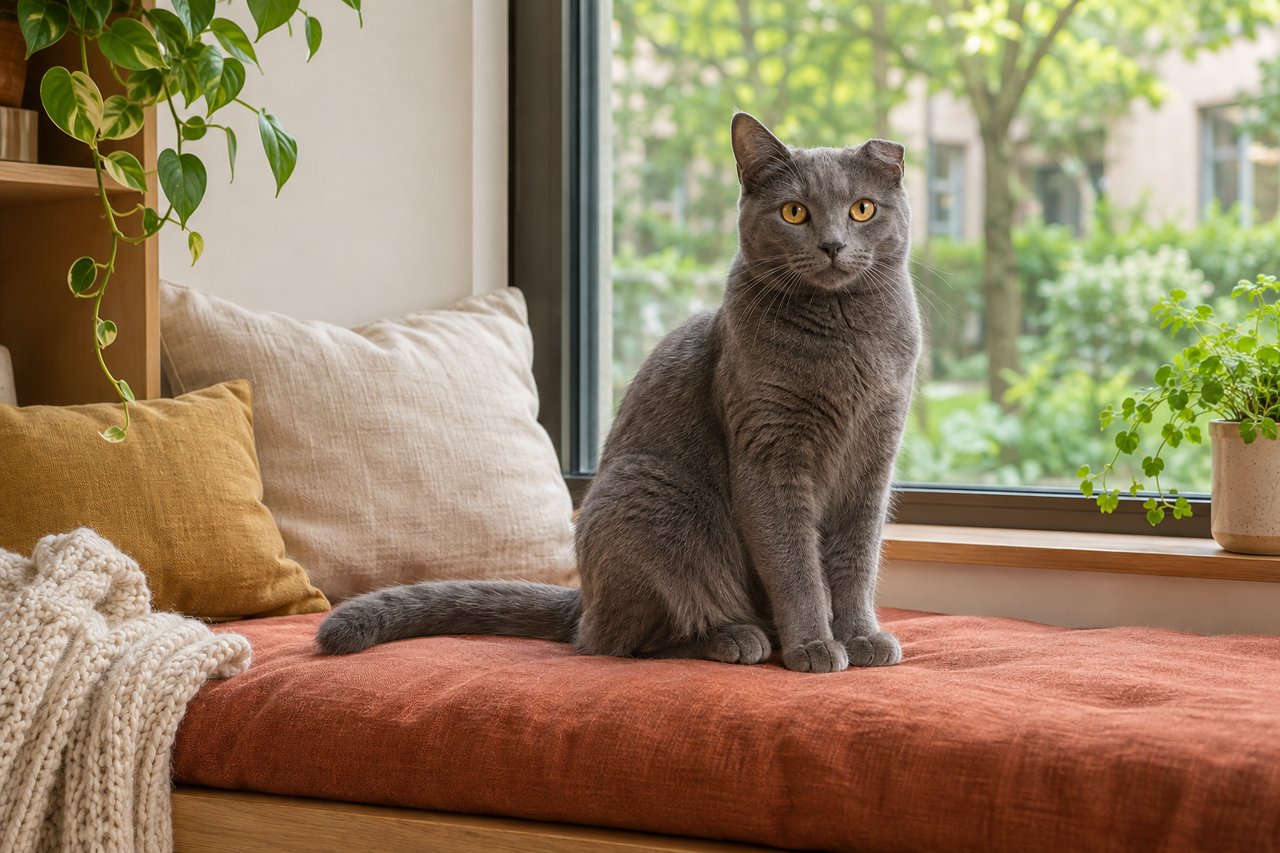
For a portrait of an ear-tipped cat, ask the artist to keep the ear's actual outline and choose a reference that shows it clearly. You do not need to hide the tip, invent a pointed ear, or make the whole picture about your cat's history. The aim is the companion you recognize.
Perhaps that little flat edge is part of the silhouette you see on the windowsill every morning. It deserves the same attention as the white chin, the serious expression or the stripe across the nose.
What should an ear-tipped cat portrait preserve?
Start with the visible shape, rather than a general instruction to make the ears match. Notice how much of the tip is absent, whether the top looks level or angled in your reference, and how the two ears sit when your cat is relaxed.
Ear-tipping is used to identify neutered community cats, as Neighborhood Cats explains. But the portrait brief does not need a medical account or a guessed backstory. If you do not know why an ear looks a certain way, describe what you can see.
A flat tip, a small notch and a folded ear are different shapes. Do not substitute one for another because a search result uses a convenient label. Your own cat's photograph is the reference that matters.
You can keep the feature without exaggerating it. A familiar ear should belong naturally to the whole face, rather than becoming the first and only thing someone notices.
Which photo makes the ear shape clear?
Look for a relaxed view with both ears inside the frame and a little space above them. The edge of the tipped ear should be visible against its background. A dark ear against a dark cupboard can disappear even when the eyes are sharp.
Choose a moment when the ears are resting naturally. If one is turned sideways or flattened, its outline may look quite different. Keep that lovely candid photograph if you like the expression, but find another view that explains the shape.
For the main reference:
- Leave the full head visible, including the space above both ears.
- Check that fur, furniture or another pet does not hide the tip.
- Keep the original file, without drawing over the ear or applying a smoothing filter.
- Add a second view only when it answers a question the first leaves open.
Our photo selection guide covers the broader checks. Here, you are making one particular detail easy to understand, not trying to take a studio photograph.
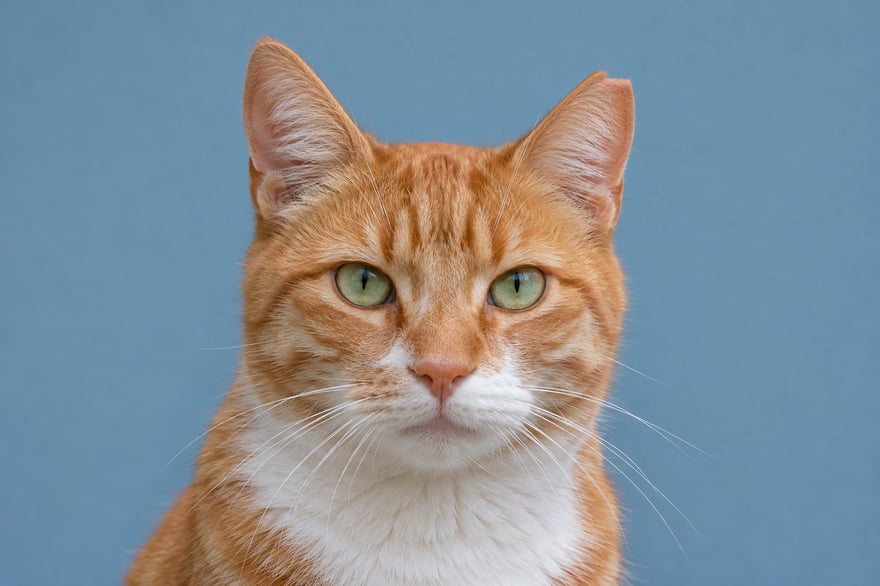
Will a costume or scene hide the ear?
It might. A hat, a tall collar, a busy background or a crop close to the forehead can make an otherwise accurate feature difficult to see. If the ear tip is essential to the likeness, make visibility part of your choice of scene.
Compare the preview with what you want to recognize from across the room. Can you still read the outline of both ears? Does a decorative element cover the very detail you asked to preserve? A beautiful treatment can still be the wrong composition for your purpose.
A head-and-shoulders view can give the ears room, but it is not the only option. A wider scene can work when the head remains clear. You do not have to choose a solemn style just because your cat has a tipped ear. Their everyday character can guide the mood.
The cat portrait collection is a starting point for choosing a scene. If a particular treatment obscures the ear, discuss a different direction rather than assuming the finished piece will reveal it.
What should you tell the artist?
Give the feature a short, specific instruction alongside the chosen photograph. For example:
Please keep the flat ear tip shown in this reference. It is part of her usual appearance. Leave both ears visible, keep the amount missing close to the photo, and do not make the ears symmetrical.
Identify the ear by reference to the photograph if there is any ambiguity. Avoid asking for a generic “rescue cat look,” which says little about this individual's face.
At Yours, Theo, the first preview helps you choose a direction. When you choose a printed portrait, a real artist refines it with your preferences and feedback before you approve it for printing. Use that conversation to identify the ear shape as a priority. Do not treat an inaccurate first preview as a detail you must accept.
How do you make a gift feel personal?
If you are commissioning for someone else, choose a photograph they love and check which details they would want kept. You may see an unusual ear; they may see the familiar outline of the cat who claims their pillow.
Let the owner decide how much history belongs in the gift. A note about a favorite habit or a shared moment can be enough. There is no need to describe the cat as sad, damaged or heroic, or to invent a story about the time before adoption.
For a holiday gift, allow room for this choice and for reviewing the artwork. Check the current delivery estimate for the actual selection and destination instead of promising a date before you know it.
Common questions
Should the artist restore the missing point?
If you want the portrait to show your cat as they look today, say to keep the tip. If you deliberately want an earlier appearance, provide an appropriate reference and explain that choice. Do not leave the decision to an assumption about symmetry.
What if my only photograph cuts off the ears?
Send another image of the same cat that shows the whole head, if you have one. If you do not, ask the studio what can be established before committing to a composition. A generic cat photograph cannot confirm your cat's particular ear shape.
What should I check before approval?
Look for an added pointed tip, an exaggerated missing section, an ear changed on the wrong side, or a prop hiding the outline. Then step back and check the whole expression. Our preview review guide helps you combine corrections into one clear message.
Ready to start
Choose the photograph that feels like your cat, name the detail you want kept, and start your portrait. The little familiar things belong in the picture.